
Pressure cookers are designed with multiple safety features to prevent them from opening while still pressurized. However, at SpecTest Forensics, a mechanical testing and forensic investigation company based in Jasper, Georgia, we regularly investigate incidents where common household appliances may have failed to operate properly.
Understanding the most common mistakes when using, and especially opening, a pressure cooker—and recognizing when a product may be defective—can help prevent serious injury and/or property damage.
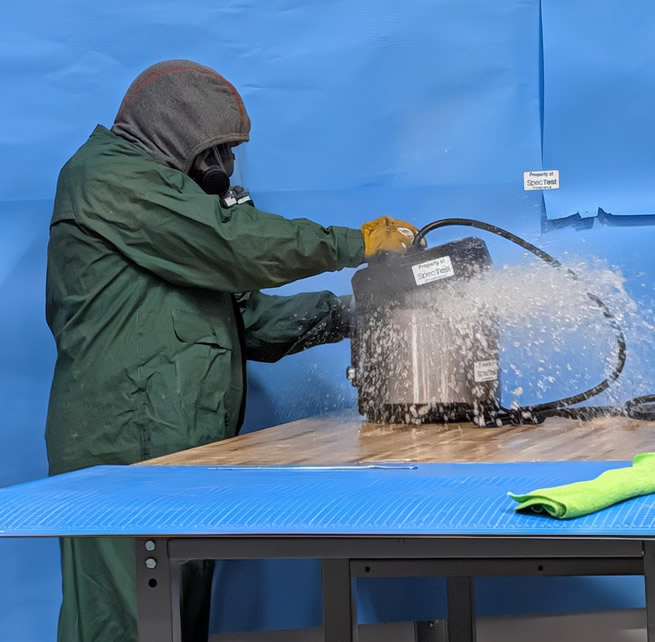
Here are 3 common issues we see more often than people expect:
Rushing Pressure Release or Operating Out of Sequence
One of the most frequent mistakes people make when opening a pressure cooker is rushing the release process. In many cases, users attempt a quick-release method without fully understanding how their specific model functions.
Also, if the pressure valve is clogged, damaged, or malfunctioning, pressure may remain trapped inside—even when it appears safe. Opening the lid too soon can result in a sudden release of superheated contents and steam.
Common Practices to Avoid:
- Not following manufacturer instructions for depressurization
- Attempting to unlock the lid before the release process is complete
- Attempting a quick release without verifying the valve is functioning properly
- Assuming pressure is gone based solely on the amount of time that has passed
- Failure to realize that pressure cookers can still build pressure even in modes like sauté
It’s just as important to realize that modern pressure cookers have controls and safety devices that should make it impossible for an operator to open a pressure cooker while it is still pressurized. However, those safety features can fail.
This is something we occasionally identify during failure analysis, particularly when the unit itself is functioning as designed—but used outside of its intended sequence.
Skipping Critical Safety Checks
Another common error is failing to skip the most important safety check: confirming that all pressure has been fully released (depressurized) before attempting to open the lid. Most pressure cookers include a lid lock with a locking indicator or float valve, but these components can fail or stick.
In one recent case, a homeowner believed the pressure had fully released because the float valve had dropped—but a partially clogged valve kept pressure trapped inside. When the lid was turned, the contents were expelled almost instantly.
In our forensic investigations, we often see cases where users relied on these indicators—only to discover they were inaccurate.
Best Practices for Pressure Cooker Safety:
- Ensure the float valve has completely dropped
- Confirm no steam is escaping before opening
- Test the lid gently—never with force
- Ensure your unit is maintained regularly per manufacturer instructions
- If you are unsure your pressure cooker is depressurized, wait for it to cool, which may take several hours.
Forcing the Pressure Cooker’s Lid Open
If a pressure cooker lid does not open easily, there is usually a reason. The operator should not be able to force it open if it is working properly, however some built in mechanisms can be overridden if they are not manufactured properly.
Key Takeaways:
- Never force a pressure cooker lid to open if it feels more difficult than usual
- Resistance often indicates the unit is still holding internal pressure
- Bottom line: stop immediately and reassess the situation
When It May Be a Product Defect
Not all pressure cooker incidents are caused by the user. In some cases, the root cause is a design flaw, manufacturing defect, or material failure.
At SpecTest Forensics in Jasper, GA, we specialize in:
- Mechanical failure analysis
- Product and materials testing
- Forensic investigations
These specific services help determine whether an incident resulted from misuse, poor maintenance, or a defective product—critical insight for legal, insurance, and manufacturing stakeholders.While maintenance and proper use are essential, pressure cookers and their safety systems are not always infallible. Taking extra time to verify depressurization and inspect equipment can reduce risk—but it’s equally important to recognize when a product may have failed.
Need a Professional Failure Analysis?
If you’re dealing with a pressure cooker incident—whether for insurance, legal review, or product evaluation—working with an experienced forensic team is essential.
SpecTest Forensics provides:
- Detailed failure analysis reports
- Expert witness support
- Mechanical and materials testing
Contact us today to discuss your case or learn more about our forensic testing services.